




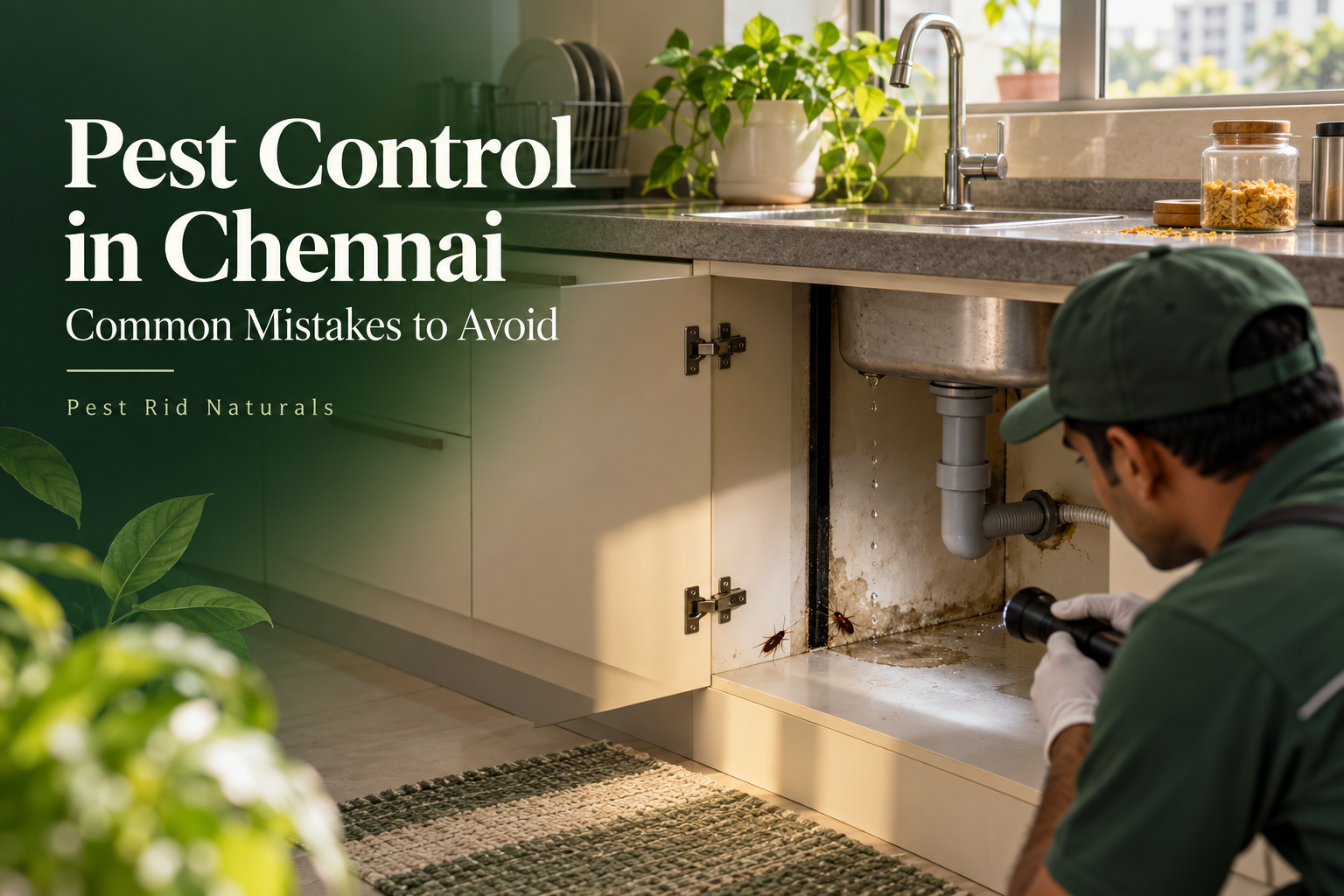
A pest problem can seem resolved when the kitchen floor is clear and the cupboards show no signs of movement. Then, a few weeks later, cockroaches appear near the sink, ants return to the food shelves, or fresh droppings turn up behind an appliance. At Pest Rid Naturals, understanding why pests return is an important part of planning treatment. Recurring infestations often involve overlooked entry points, hidden activity, moisture, or everyday habits that continue to attract pests.
For homeowners, this cycle can be frustrating. However, identifying the mistakes that allow pests to return helps you make better decisions about treatment and prevention.
The insects moving across a countertop may represent only a small part of the problem. Cockroaches can shelter behind refrigerators, beneath sinks, and inside narrow gaps. Ants may travel from a nest located well away from the place where you notice them.
Spraying visible pests can provide temporary relief while leaving their hiding places untouched. When concealed activity continues, pests can reappear.
A useful assessment considers where pests shelter, how they move through the property, and what supports their presence. This helps direct treatment towards the problem rather than just its most noticeable signs.
Regular cleaning helps reduce food sources, but cleanliness alone cannot prevent every infestation. Pests may enter through drains, gaps around pipes, open windows, or items brought into the home.
Even a tidy kitchen can provide what pests need if there is a leaking tap, an accessible food packet, or a sheltered space beneath a cabinet.
When looking for pest control chennai, homeowners should consider an approach that examines the property beyond its visible cleanliness. Entry points, moisture, storage conditions, and neighbouring pest activity can all influence the treatment plan.
A damp cabinet or slow plumbing leak may appear unrelated to pest activity. Yet moisture can create favourable conditions for certain pests, particularly when combined with warmth and shelter.
Commonly overlooked areas include:
Treatment may reduce existing activity, but unresolved moisture can continue to support pests. Repairing leaks, improving drainage, and allowing damp spaces to dry are practical steps that support longer-term management.
Pests do not need a wide-open door to enter a building. Gaps beneath doors, damaged mesh, cracks around windows, and openings beside utility pipes can provide access.
In apartments, some pest movement may involve shared ducts, service shafts, or common areas. Treating one flat without considering these routes can leave part of the problem unresolved.
Inspect vulnerable areas and seal suitable gaps using appropriate materials. Door seals and repaired window mesh can help reduce access. Where shared building spaces are involved, coordination with maintenance teams may also be necessary.
An ant trail, a cockroach infestation, and termite activity require different assessments. Applying the same household spray to every pest concern can waste time and delay suitable treatment.
Identification matters because pests differ in their behaviour, shelter, food sources, and movement patterns. Some signs can also be misunderstood. Small particles near wooden furniture, for example, should be assessed rather than automatically dismissed as ordinary dust.
Before choosing a remedy, establish which pest is involved and where the activity occurs. A treatment method should match the pest and the conditions of the property.
A wiped countertop does not necessarily mean every food source has been removed. Crumbs beneath appliances, grease beside the cooker, and residue inside bins can remain unnoticed.
Open packets of flour, rice, snacks, and pet food can also provide accessible food. Leaving used dishes overnight may add to the problem.
Store food in well-sealed containers and clean areas behind or beneath appliances when accessible. Wash bins regularly and keep lids closed. These habits help reduce the resources that allow pest activity to continue after treatment.
A reduction in sightings is encouraging, but it does not always confirm that an infestation has been fully managed. Depending on the pest and treatment method, further inspection or follow-up may be recommended.
Cancelling a planned visit because the property looks clear can make it harder to assess remaining activity. Equally, booking repeated treatments without understanding the cause may produce another cycle of temporary relief.
When arranging pest control chennai, ask what follow-up is recommended and what signs to monitor. Clear expectations help homeowners understand progress and report concerns at the right time.
Preparation and aftercare can affect the outcome of a service. Instructions may cover access to affected areas, food storage, cleaning, ventilation, or precautions around treated surfaces.
Cleaning certain areas too soon may interfere with some treatments. In other situations, removing food residue and clutter is essential. The correct action depends on the method used.
Ask for clear guidance before the appointment and clarify anything uncertain. Mention children, pets, allergies, and other relevant household circumstances so the team can explain suitable precautions.
Reducing recurring infestations takes more than reacting whenever pests appear. It involves understanding their activity, addressing conditions that support them, and following a treatment plan suited to the property.
With Pest Rid Naturals, homeowners can discuss the signs they have noticed and seek guidance on suitable treatment and preventive measures. Combining professional assessment with consistent home care can help reduce repeated pest problems and make results easier to maintain.